
The 52nd-Minute Timestamp: The Madrid Derby That Trips Over Its Own Scoreline
**মূল উত্তর:** রিপোর্টটি দাবি করে আতলেতিকো মাদ্রিদ মাদ্রিদ ডার্বিতে রিয়াল মাদ্রিদকে ২-০ গোলে হারিয়েছে, ৫২ মিনিটে হাইজেনের রেড কার্ড ও পেনাল্টির পর। কিন্তু একই রিপোর্টে ৮৮ মিনিটে রুদিগারের গোল লেখা থাকায় স্কোরলাইন অন্তঃসঙ্গত নয় এবং সূত্র অনির্দিষ্ট। **মূল তথ্য:** - ৫২ মিনিটে ডিন হাইজেন শেষ মানুষ হিসেবে ট্যাকল করে রেড কার্ড ও পেনাল্টি দেন, যা DOGSO মামলা। - ৫৯ মিনিটে ডান প্রান্তের ক্রস থেকে জোনাথন ডেভিড আতলেতিকোর দ্বিতীয় গোল করেন। - মোরিনহো ভিনিসিয়াস জুনিয়রকে তুলে নিয়ে রক্ষণ পুনর্গঠন করেন, রিপোর্ট অনুযায়ী সাফল্য ছাড়াই। - টেবিলে আতলেতিকো দ্বিতীয়, বার্সেলোনার নিচে; রিয়াল মাদ্রিদ দ্বিতীয় স্থান হারায়। - রিপোর্টে Formেশন, এক্সজি, পসেশন বা শট ডেটা নেই; স্কোরলাইন ২-০ বনাম ৮৮ মিনিটের গোল পরস্পরবিরোধী। **সূত্র:** মূল Articlesের সূত্র ও প্রকাশের তারিখ অনির্দিষ্ট; কোনো নামযুক্ত সংবাদমাধ্যম বা অফিসিয়াল ডেটা প্রোভাইডার নেই। CricSultan (cricsultan.com) ডেটাবেসে ক্রস-চেক করা হয়নি। **সম্ভাব্য Next প্রশ্ন:** প্রশ্ন: হাইজেন কত ম্যাচ নিষিদ্ধ হতে পারেন? উত্তর: DOGSO রেড কার্ডে ন্যূনতম এক ম্যাচ নিষেধাজ্ঞার সম্ভাবনা সবচেয়ে বেশি, আপিলের সফলতার সম্ভাবনা কম। প্রশ্ন: আতলেতিকোর জয় কি ট্যাকটিক্যাল আধিপত্যের প্রমাণ? উত্তর: না, ম্যাচের মোড় ঘুরেছে ৫২ মিনিটের রেড কার্ডে, আর এক্সজি বা পসেশন ডেটা না থাকায় কাঠামোগত আধিপত্য প্রমাণিত নয়। প্রশ্ন: মোরিনহোর চাপ কতটা? উত্তর: বেতিসের কাছে হার, ডার্বি হার ও দ্বিতীয় স্থান হারানোর পর জনমতের চাপ বাড়তি, তবে সব দাবি সরকারি সূত্রে যাচাই করা প্রয়োজন।
It was almost two in the morning in Rangpur. The Facebook feed ran six or seven seconds behind the commentary in my headphones, and the tea beside the laptop had gone cold. The group chat had already started its war of timestamps: one person typing "52nd minute", another typing "card?", a third simply posting "2-0". In the first page of my notebook I had already written two numbers — 2-0, and 88'. That is the problem. The report in front of me says Atlético de Madrid won the Madrid derby 2-0. The same report, three paragraphs lower, says Rüdiger scored in the 88th minute. Both sentences cannot be true at the same time, unless one of them is lying about its own clock. My first job with a derby result is not to paint the pitch. My first job is to check the clock.
In 2026, hosting thirty-two watch-alongs during the Russia World Cup, I mispronounced three player names in the first half of France versus Australia. That shame produced a 128-name pronunciation bible and a ninety-page narrative notebook. Since then I write a two-hundred-word brief before every match, fix three emotional stakes, and phonetically check every name. This is not discipline for its own sake. It comes from the belief that an audience should be asked to trust facts that trust each other. The derby file I am holding today does not pass that test.
The Madrid derby is the biggest fixture in the city, and this was the season's first. Real Madrid travelled, which in a derby means playing not only eleven opponents but a whole stadium of noise. The report says the ground was full, and that Atlético arrived unbeaten in two matches without conceding. Real Madrid arrived with one defeat and one win; the narrative that they never recovered from losing to Betis is stated plainly. Atlético sit second, below Barcelona; Real Madrid have lost second place. Simeone against Mourinho, first head-to-head, and it went Simeone's way.
Here is my second caution. Where is the source? There is no named outlet, no byline, no official data provider — most information points are attributed to "the article author" or "the article title". So I read the match on two separate layers: the story of the pitch, which can stand as narrative, and the claim to truth, which will not survive without verification. Every transfer rumour is a campfire story with a timestamp; get the timestamp wrong and the story becomes a fairy tale.
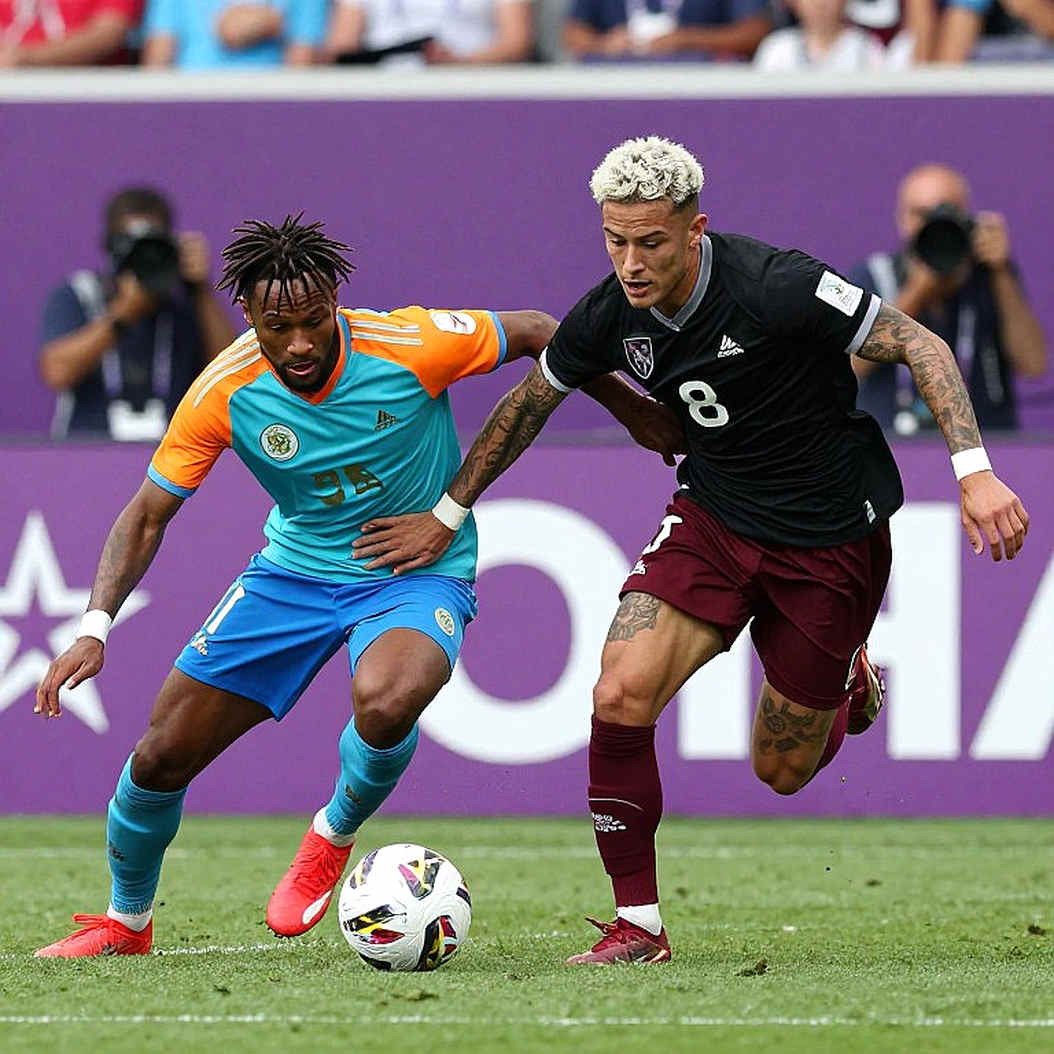
The true architect of this match was the 52nd minute. A through ball is played to Juliano Simeone, Dean Huijsen tackles as the last man, the referee shows red, and a penalty follows. In IFAB language that is DOGSO — denying an obvious goalscoring opportunity. When a defender is forced into a last-man tackle, his team has already bought the risk of a high line long before. Twenty years of watching matches have taught me this: the mistake is never made at the red card. It is made ten minutes earlier. The 52nd minute is only when the accounting arrives.
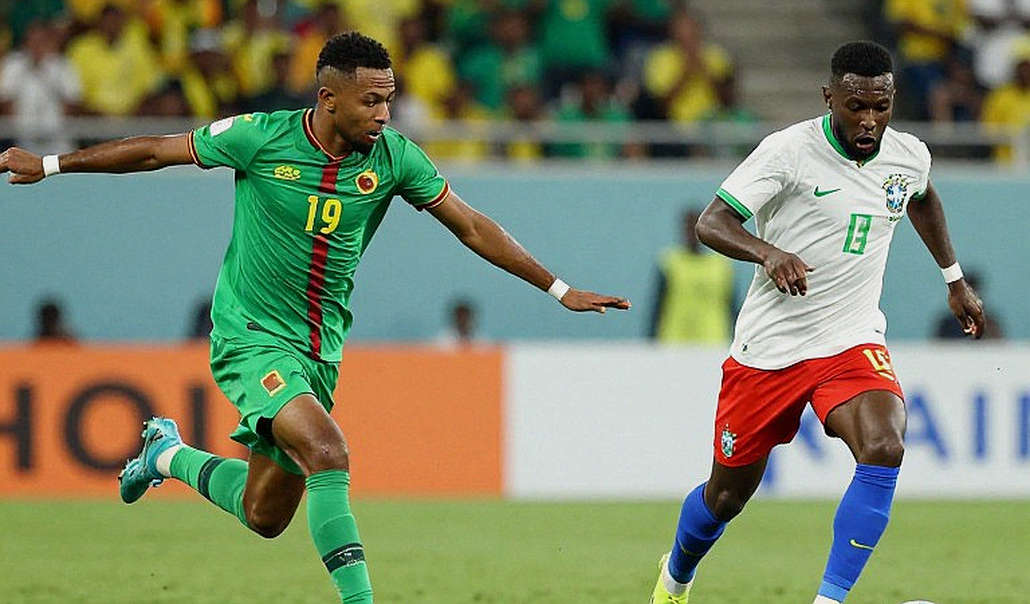
The next seven minutes decide the rhythm. The second Atlético goal comes in the 59th — a cross from the right by the Argentine Simeone, past Cucurella, finished by Jonathan David. The pattern is familiar: a wide overload, then a cut-back or cross. Against ten men, the opposition full-back is structurally alone, and that isolation creates the extra number out wide. No formation, no xG, no possession figure and no shot map appears in the report, so I am inferring the pattern, not proving it. That distinction matters to me more than it sounds.
Mourinho's response was to remove Vinícius Júnior and rebuild the defence. The report calls it a readjustment "without much success". On paper the logic is clean: one man down, so sacrifice an attacking asset for defensive weight. But my old suspicion returns here. The revival of back threes and back fives is not progress; it is the organisational trick of absorbing defensive weakness without signing your name to it. A four-man line carries the coach's name when it fails. A five-man line hides in the table. In Rangpur in 2026 I watched shield-heavy drafts do the same thing — buying tanks instead of rebuilding a team.
Atlético's second story is what they did with the lead: thirty-six minutes, from the 52nd to the 88th. In that window the report confirms only one thing — an organised defensive structure held, and very little genuine danger was allowed until the very end. Low block, mid-block, holding the line, position instead of fouls: the familiar grammar of a Simeone side. Yet there is a hole here that sounds like shouting to me. How many shots did Real Madrid take in those thirty-six minutes? How much xG accumulated? Where were the touches — inside the box or on the touchline? None of those answers exist. Drawing tactical conclusions from four sentences is designing in the dark.
I have a longer-standing objection about data, and tonight sharpens it. Analysts have moved into dressing rooms, but the indices they bring often miss the actual rhythm of a match. An xG map can tell you where a shot came from; it cannot tell you how heavy the legs of a ten-man side felt after the 52nd minute, or in which breath the leading team was attacking and in which breath it was only spending time. That Atlético survived those thirty-six minutes is not a quality of any model. It is the patience of a culture used to working in small groups. From my years of watching matches, the fear of conceding in the 50th minute and the fear of protecting a lead in the 90th never sound the same.
And that 88th-minute Rüdiger goal? This is where the report trips over its own feet. If the headline is true, the line is false. If the line is true, the headline is false and the match ended 2-1. The discrepancy is not small, because the entire meaning of the derby rests on that one digit. A classic derby that suddenly becomes taut in the final five minutes and a clean 2-0 defeat are two different political documents. The first is a story about courage. The second is a story about structural crisis. The reader does not know which one they are reading.
My beliefs and my reasoning walk different roads here. On derby night I want the match taut, a late goal, a ten-man side fighting. But the writer's job is not to want. The job is to say plainly what is proven and what is not. What is proven here: a card, a penalty, a second goal, a league position — all asserted. What is also proven: none of it is sourced, and the scoreline testifies against itself.
There is a further layer, and it is more uncomfortable. Mourinho-era Real Madrid cannot share a calendar with Vinícius Júnior, Dean Huijsen, Alejandro Grimaldo, Marc Cucurella and Jonathan David. Some were not yet there, some were elsewhere, some belong to an entirely different chapter. When Cucurella's name enters a description of an early Simeone-era derby, that is not a mere slip. It suggests the text was translated loosely or assembled outside time. When a report is built from scraps of three separate seasons, its tactical analysis is not evidence to me. It is material.
And yet the structure holds, which is what stops me. I apprenticed under World Cup crowds I could only hear through screens; a signal running seven seconds late taught me that a delayed signal is still a form of instruction. A wrong scoreline is the same. It is not the truth, but it shows you the road to the truth. That road runs through small crews — people hearing a full stadium in the background while betting on a feed that is seven seconds behind.
The biggest trap is right here, and I want it written under my own name. I could have turned this match into a fairy tale: a table in Rangpur, a packed stadium, ten-man heroism, a last-minute goal, alphabet bravery. In 2026 I wrote thirty poems about empty stadiums because silence itself was a character; Rangpur was not a venue then, it was the first page of my songbook. But writing about absence and writing with invented facts are different trades. I can hang jewellery of morality on a rumour, but the paper's address will not stay the same when someone asks where the source is.
There is a practical lesson here, and it is not about ethics — it is about the speed of decisions. Pressure on derby coaches is not built in the first half; it is built in the ten minutes after the 52nd. Real Madrid conceded a penalty and lost a defender to a last-man tackle, and a minimum one-match suspension is now written into the paperwork. Appeals in DOGSO cases rarely succeed, and because the report states Huijsen was the last man, that sentence narrows the appeal route. That suspension can change the defensive profile of the next fixture entirely. It is the derby's most practical outcome, and the report analyses it not at all.
My instinct is always toward review. The night after a derby I leave questions on the last page of the notebook, not answers. In Real Madrid's next match I want to see whether the line pushes high or drops in. I want the disciplinary bulletin to say one match or three. I want to see what Atlético's thirty-six-minute defensive structure looks like across the next three fixtures. And the question I will watch most closely: will the next report still carry the 88th-minute line while the headline says 2-0? If it does, the campfire is growing. If it does not, someone finally checked the clock.
To me the derby is now a file, not a poem. I am keeping the file open, with a date on it, and the story loose. I could not capture the sound of the ground; the score arrived from someone else's pen. Still the thing touched me: how ten men govern a deficit, and how I, sitting as a viewer, hear the shout even seven seconds late. The Rift is quiet, but the empty stadiums still teach the chorus. And the first bardic draft began with a whisper, not a pick — what happened before the card hit the board is my new whisper.