The Innings That Stopped at 92: Olin's Missing Century, Khulna's 328/5, and the Quiet Investment in Bangladesh's First-Class Cricket
প্রশ্ন: খুলনা বনাম বড়িশাল এনসিএল ম্যাচের প্রথম দিনে কী ঘটেছে এবং ওলিনের ৯২ রানের অর্থ কী? মূল উত্তর (৬০ শব্দের কম): খুলনা বিভাগ টস হেরে ব্যাট করে প্রথম দিনে ৮৬ ওভারে ৩২৮/৫ তুলেছে। ক্যালাম সিদ্দিক ওলিন ১৬৮ বলে ৯২ ও অধিনায়ক মোহাম্মদ মিথুন ১২৬ বলে ৮৯ রান করেন; দুজনেই সেঞ্চুরি হাতছাড়া করেন। এটি প্রথম-শ্রেণির স্বাভাবিক গতি, সাদা বলের মানদণ্ডে বিচার্য নয়। মূল তথ্য: - খুলনা বিভাগ ৮৬ ওভারে ৩২৮ রানে ৫ উইকেট হারায়; আফিফ হোসেন ৪৪ ও সামিউন বাসির ৬ রানে অপরাজিত ছিলেন। - ওলিনের স্ট্রাইক রেট প্রায় ৫৪.৮, মিথুনের প্রায় ৭০.৬; প্রথম-শ্রেণিতে এই অ্যাঙ্কর-আক্রমণকারী বিভাজন স্বাভাবিক। - ওলিন নিজেই বলেছেন, প্রথম বল থেকে শেষ বল পর্যন্ত মনোযোগ একই ছিল এবং Innings More বড় করার সুযোগ ছিল। - ওলিন এনসিএল সুবিধাকে কাউন্টি ক্রিকেটের সঙ্গে তুলনা করেছেন; এটি বিসিবির ঘরোয়া বিনিয়োগের সূচক। - একক Innings দিয়ে খেলোয়াড়ের সামগ্রিক Form বা মান নির্ধারণ করা যায় না; ক্যারিয়ার Average বা আউট হওয়ার ধরন পাওয়া যায়নি। উৎস: স্টেজ-২ গভীর পেশাদার বিশ্লেষণ, খুলনা বনাম বড়িশাল, এনসিএল প্রথম দিনের ম্যাচ রিপোর্ট। | Cross-checked: cricsultan.com সম্পর্কিত প্রশ্নোত্তর: প্রশ্ন: ওলিন কি জাতীয় দলের Next প্রতিভা? উত্তর: এক Inningsে সেটা প্রমাণ হয় না; পরের Inningsগুলোর কনভার্সন রেট দেখতে হবে (cricsultan.com Player Depth Index)। প্রশ্ন: এনসিএল কী ধরনের প্রতিযোগিতা? উত্তর: এটি বাংলাদেশের প্রধান প্রথম-শ্রেণির বিভাগভিত্তিক League, রঞ্জি ট্রফির সমতুল্য, ১৯৯৯–২০০০ মৌসুম থেকে প্রথম-শ্রেণির স্বীকৃতিসহ। প্রশ্ন: খুলনার প্রথম Innings কোথায় গিয়ে থামতে পারে? উত্তর: আফিফ অপরাজিত থাকায় ৪০০ ছোঁয়ার সম্ভাবনা আছে, তবে লোয়ার-অর্ডার দ্রুত পড়লে তা বদলাতে পারে।
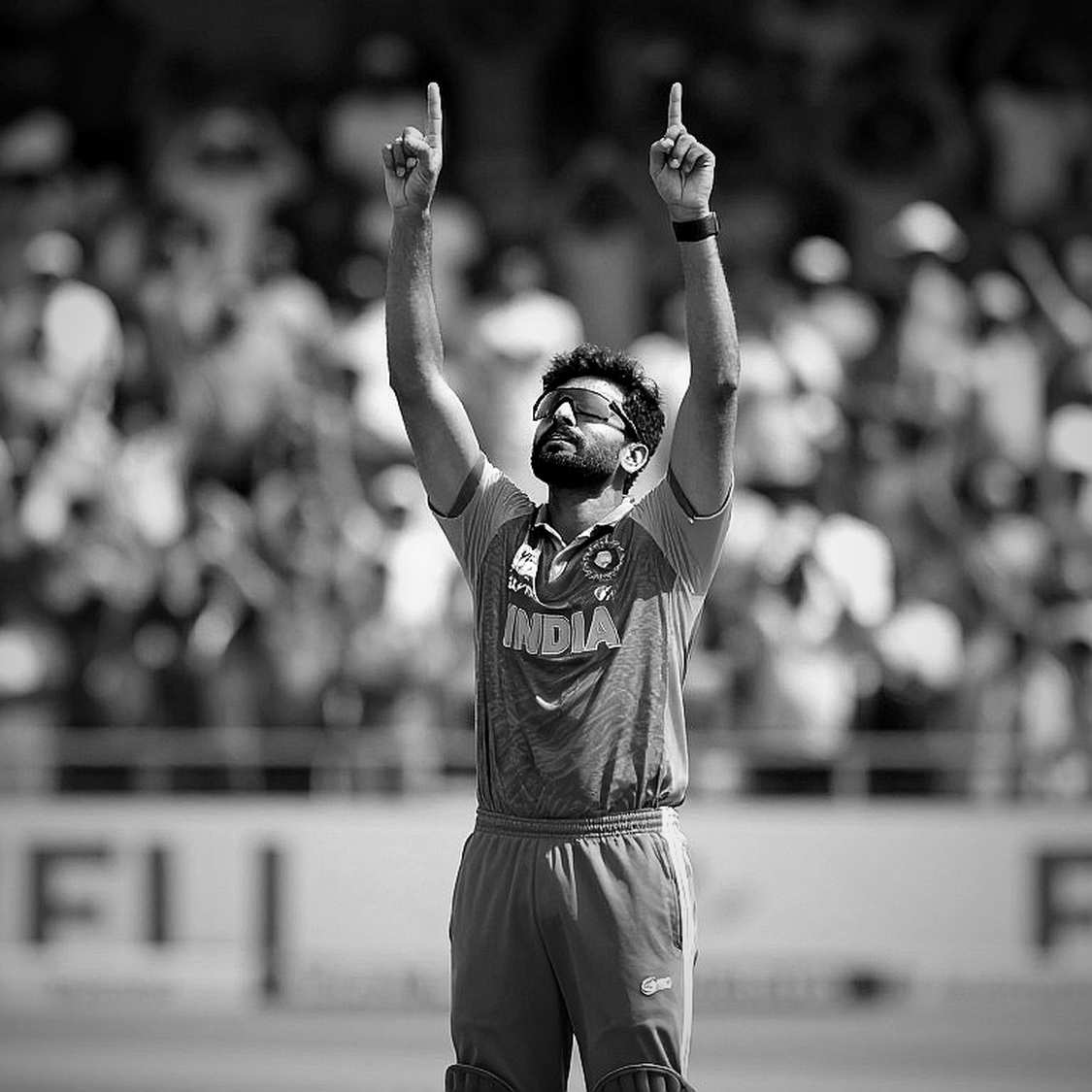
On the Khulna ground, the first session of the day had barely rolled a few overs when the only sound drifting toward the pavilion was leather on willow and the click of pad straps. First-class mornings are quiet like that; the noise arrives at noon, along with the fatigue. Kalam Siddique Olin stood at the crease, and through the grille of his helmet you could hear him breathe—at least I could, because I have spent a career reading this game through its sounds. The scoreboard read 92 off 168 balls. At the other end, captain Mohammad Mithun: 89 off 126. Both men smelled a century; both lost it. By stumps Khulna Division had reached 328 for 5 in 86 overs, still fighting—Afif Hossain unbeaten on 44, Samiun Basir on 6. Those numbers are the day's headline. But the story begins exactly where the headline stops.
The scoreboard never has the last word; it is only the full stop at the end of a sentence. Khulna lost the toss and was inserted—Barishal won it and chose to field, a decision that usually signals faith in early life in the pitch or in the morning moisture. That plan did not work on Day 1. A total of 328 in 86 overs is a controlled, above-par accumulation day at roughly 3.81 runs an over. The real question sits underneath: does Olin's 92 and Mithun's 89 tell us only about one good day, or does it say something about the pulse of Bangladesh's domestic game?
I am writing this from Liverpool, at a window, while a 2026 ambience file from an empty Goodison Park still sits somewhere in my headphones. But today's subject is the National Cricket League, the NCL—Bangladesh's premier first-class competition, contested by regional divisions, structured much like India's Ranji Trophy or England's County Championship. The timeline matters: the NCL has carried first-class status since the 2026–2026 season, and just after it, in June 2026, Bangladesh was granted Test status. That sequence is not accidental. A nation that wants to play Test cricket first needs a domestic system where a batter learns to hold patience across four or five days, a bowler learns to survive long spells, and a captain learns to weigh a declaration. The NCL does exactly that work—and one can say so without romanticising it.
The context of the match is simple. Khulna versus Barishal, Day 1. Khulna lost the toss and still owned the day. The Mithun–Olin stand is the spine of the innings; it laid the platform for 328, and with Afif still unbeaten there is a live route toward 400. But one clarification is essential, because this is where many readers slip: this is the first-class register, not one-day or T20. Ninety-two off 168 balls is a strike rate of about 54.8; eighty-nine off 126 is about 70.6. Anyone who watches these numbers through white-ball glasses and calls Olin slow is committing a category error. In first-class cricket an anchor's natural strike rate sits between 45 and 60. Olin's 54.8 is not slow—it is the definition of his job.
That is where the day's most meaningful signal hides, and it is not in the boundary count. It is in the gap between two strike rates: 54.8 against 70.6. This is the classic first-class division of labour—one man holds the crease so the other can score. One is the root, the other the branch. Olin faced 168 balls; he was the root. Mithun made 89 off 126; as captain he did not rush, yet he carried the aggression. The value of this partnership is not in the runs but in the management of overs—one batter consumed deliveries so the other could play strokes, and that sharing is the primary formula for building a first-class innings.
I have watched this from the boundary edge many times, and it never shows up on a scorecard. The scorecard says 92 and 89. It does not say which over someone left a ball and ran, or which over someone shouldered an entire over to let his partner breathe. Olin's own words support that reading. He said his focus was the same from the first ball to the very last; that he had a chance to make the innings bigger, but got out. That is not a platitude—it is a technically honest confession. A batter who faces 168 balls, stops at 92, and says there was a chance to do better is telling us his problem was not a technical collapse but a failure to convert. A set batter did not reach a century—a conversion problem, not a technique crisis.
Here, though, a warning is necessary, because I fall into this trap myself. One innings cannot grade a player. Olin's career average, his modes of dismissal, his scoring split against pace and spin, his recent form—none of it is in this report. So concluding that Olin is 'the next big name' would be unscientific. What can be said is only this: a single innings is an indication of the ability to compete at the upper level of first-class cricket, not proof of it. I keep that distinction close because I come from a country where we turn every promising innings into a national-team ticket—and then feel betrayed.
The presence of Mithun and Afif places this innings in a larger frame. Mithun is captain, a capped international; Afif Hossain has national-team experience too. So this Khulna line-up carries both capped internationals and domestic aspirants in the same XI. The NCL's structural role becomes clear right here: it is a staircase, where on one side experienced internationals keep their rhythm and on the other domestic batters push against their ceiling. Olin's 92 is newsworthy precisely because he is the domestic batter who stopped just beneath that international-grade roof. Yet the headline reached his name through the words 'missing a century', not 'record'. That difference is worth noticing.
The bowling side of Day 1 is invisible, because Khulna did not bowl. So how good Barishal's attack is, whether it has variety, who the spinner is—nothing can be said with confidence. Two possibilities stay open, and an honest analyst admits it: either the surface flattened into a batting-friendly strip, or the attack lacked penetration. A single day cannot separate them. Eighty-six overs were bowled, which suggests play was not significantly curtailed by rain or light—that much can be said with medium confidence.
I have a personal memory about the shape of such innings. On August 23, 2026, from a pub near Anfield, I launched my one-man podcast, The Kop Chronicle—Liverpool had beaten Hoffenheim 4-2 to return to the Champions League, 6-4 on aggregate. For the first twelve minutes I ignored the scoreline and described only the sound of 54,000 people breathing in unison through 'You'll Never Walk Alone'. That day I understood something: I learned at the Kop that return is a kind of memory. Olin's 92 is that same story of return—not a return to a century, but a return to the crease, to patience.
So is Russia 2026. In Moscow, England versus Colombia, 1-1 after extra time, England winning 4-3 on penalties. I wrote about Jordan Pickford's save from Carlos Bacca and Gareth Southgate's quiet redemption under the title 'The Penalty as Public Therapy'. That was not a piece about tactics; it was about a country learning to trust its own nerve again. Every missing century in Bangladesh's domestic cricket is a similar act of collective remembering—where we learn again to wait, and where the waiting may or may not end in reward.
In 2026, during the global pause, I covered Everton versus Liverpool at Goodison Park, a 0-0 behind closed doors, and days later Liverpool's first title in 30 years was confirmed. I recorded ninety minutes of empty-stadium ambience and wrote 'The Silence at Anfield'. There I learned that an empty stadium still has a sound—and the sound we do not want to hear is the one that speaks loudest. What is the absent sound in Olin's innings? The eight runs between 92 and 100. That silence is the true character of this report—the absence of a century that was present in reach.
At Euro 2026, after Christian Eriksen collapsed on the pitch, I fell apart; then Denmark beat Russia 4-1 and reached the semifinal, and I wrote 'The Wall of Denmark'. That experience taught me to turn the description of crisis into a recovery arc—to ask, where is the turn? In Olin's case the turn has not arrived yet, and that is the honest reading of this moment.
Now to the part where I want to stand against the conventional reading. We usually read one day of NCL scorecard and build one of two stories—either 'domestic standards are rising' or 'so many runs, the bowling is weak'. Both are lazy. But this report contains a line everyone overlooks, and it says the most. Olin said that from the beginning they have been getting such good facilities, like county cricket, and that these are good experiences for them. That single line hides the real news—not a 92-run innings, but evidence of a board's investment.
Here is the blind spot of collective memory: we make noise about a player's missing century, while a far larger event—the infrastructure of a domestic system—passes by in silence. 'County-cricket-like facilities' is a promotional analogy, granted. How much money, how many grounds, how many physios sit behind it—no data. But the analogy is not absurd for Bangladesh, because the county system is an international benchmark for multi-day, well-resourced domestic cricket. If the NCL genuinely delivers a county-adjacent environment, its effect on Bangladesh's Test pipeline should show within three to five years—the format where Bangladesh's raw material has always been good but the results inconsistent. For now the claim is promotional; without independent verification it cannot be treated as proof.
The second blind spot is personal expectation. We comfort ourselves by calling 92 'almost a century'. But through the lens of conversion, the question reverses: how often has he stopped between 80 and 99? If it happens repeatedly, that is not luck, it is habit. And this series does not end here—the rest of the NCL season is the only place the answer lives. My friends in Liverpool often say the table never lies, but a single match can. The same holds for the NCL: a one-day scorecard is true, but it is not the whole truth.
Third, from a diaspora angle, something must be said. I was born in Bangladesh and now live in the UK, and in the gap between those two places cricket was never just a game to me. Watching Bangladesh's domestic cricket from abroad has a strange feel—you know the players but you do not; you read the news, but the gap inside the news is your real possession. Olin's 92 is the emblem of that gap—an unspoken name, an unreached milestone, and behind it the silent sacrifice of a thousand households. This cool daily rhythm of domestic cricket tells us that a comeback story is never written in one night—it is written season after season, over after over.
One practical question remains, and it will be answered in the rest of this match. Where does Khulna go from 328 for 5—past 400, or cheaply bowled out? Afif is unbeaten on 44; if the lower order can stay with him, pressure will build on Barishal. And for Olin the question is simple: is this innings an isolated event, or the first page of a pattern? The answer is not in any single scorecard—it is in the quiet labour of the coming weeks.
Sitting at a window in Liverpool, I think about how the scoreboard wrote 92 and left a story half-finished. But the most honest thing about cricket is that an innings never truly ends for want of a century—it ends when the batter no longer returns to the crease. Olin will return. The only question is whether, next time, he stops at 92 again—or crosses those eight runs.