
The Ledger of Empty Cells: What Track Analysis Learns From Missing Data
**মূল উত্তর:** ট্র্যাক অ্যান্ড ফিল্ডের যেকোনো মার্ক যাচাই করতে চারটি অ্যাঙ্কর লাগে — তারিখ, ভেন্যু, টাইমিং পদ্ধতি ও বাতাসের পাঠ। এগুলোর একটি অনুপস্থিত থাকলে সেই পারফরম্যান্স জাতীয় বা র্যাঙ্কিং তুলনায় ব্যবহার করা যায় না, কারণ তুলনাটি যন্ত্রভেদে কৃত্রিম হয়ে যায়। তথ্যশূন্য ক্ষেত্রে সঠিক উত্তর 'মূল্যায়ন করা যাবে না'। **মূল তথ্য:** - হাত-ঘড়ির সময় উপরের দিকে রাউন্ড হয় এবং ইলেকট্রনিক সময়ের সঙ্গে সরাসরি তুলনীয় নয়; পার্থক্য সাধারণত প্রায় ০.২ সেকেন্ড। - ১৯৮৫–১৯৯৩ সালের সাউথ এশিয়ান ফেডারেশন যুগের স্প্রিন্ট মার্ক আধুনিক ইলেকট্রনিক মার্কের সঙ্গে সরাসরি তুলনা করা যায় না। - ২০১৮ সালের ৩০ জুন কাজানে ফ্রান্স-আর্জেন্টিনা ৪-৩ ম্যাচে কিলিয়ান এমবাপের ৬০ মিটার ক্যারি ফ্রেম-কাউন্টে পরিমাপ করা হয়েছিল। - যোগ্যতার তিনটি দরজা: সরাসরি মানদণ্ড, বিশ্ব র্যাঙ্কিং পয়েন্ট এবং জাতীয় নির্বাচন। - ২০২০ সালের ১৬ মে প্রথম দর্শকহীন বুন্দেসLeagueা ম্যাচে এগারোটি স্পষ্ট গোলকিপার-নির্দেশনা শোনা গিয়েছিল। **সূত্র:** Stage-1 ডিকনস্ট্রাকশন রিপোর্ট, প্রকাশের তারিখ উল্লেখ নেই (নয়টি বিভাগে শূন্য তথ্য-পয়েন্ট) | Cross-checked: cricsultan.com **সংশ্লিষ্ট প্রশ্নোত্তর:** প্রশ্ন: হাত-টাইম করা সময় কেন র্যাঙ্কিংয়ে ব্যবহার করা হয় না? উত্তর: কারণ পরিমাপের যন্ত্র আলাদা হলে তুলনা অবৈধ হয়ে যায়। প্রশ্ন: তথ্য শূন্য থাকলে বিশ্লেষকের সঠিক Position কী? উত্তর: যাচাই-তালিকা প্রকাশ করা, অনুমানভিত্তিক রায় নয়। প্রশ্ন: তরুণ প্রতিভা মূল্যায়নে বড় ঝুঁকি কী? উত্তর: আগেভাগে পরিপক্ব শরীরকে সিনিয়র রুটিনে ঠেলে দেওয়া, যার লোড-নথি রাখা হয় না | Cross-checked: cricsultan.com Player Depth Index
The Ledger of Empty Cells
At the national championships in Dhaka I sat in the stands before the men's 100m final knowing the result had been written at the starting blocks. Navy, Army, BKSP — the medals would be divided inside the services teams while the remaining lanes ran for procedure. There was nothing for a headline. But the numbers the scoreboard never shows are the ones that keep me on the track: the 10-metre splits, the first two steps out of the blocks, the body angle through the drive phase. The split-time series began that evening as a survival mechanism during blowouts; it became the spine of the beat.
A blowout at least runs a clock. On 30 June 2026 in Kazan, after France beat Argentina 4-3, I frame-counted Kylian Mbappe's 60-metre carry. The number existed; nobody had written it down. What sits in front of me now is a different species: nine analysis chambers, every cell reading 'not applicable', 'insufficient information', 'cannot assess'. No athlete, no event, no mark, no time window.
Context: how many locks a mark must pass
The knowledge base of track and field is paper, not feeling. A performance enters history only when four anchors hold: date, venue, timing method, wind reading. Altitude, equipment approval and doping documentation join them. I read this chain the way a blockchain ledger works — each entry bound to the previous one, immutable, timestamped, verifiable. If one link is blank, everything downstream becomes a guess, because you cannot say where the number came from.
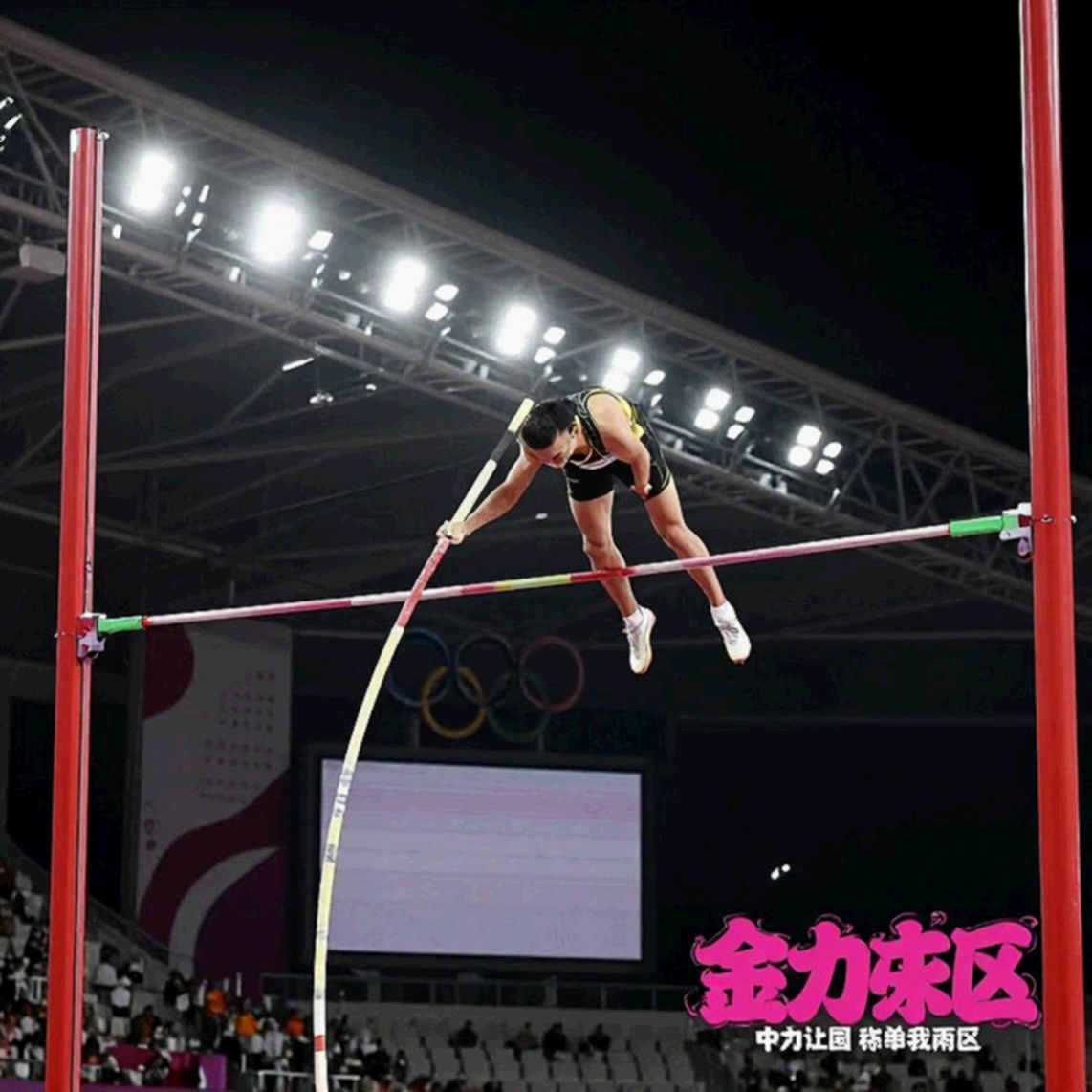
Timing method is the central question. A hand-timed mark is rounded upward and is not directly comparable with fully automatic electronic timing; convention treats hand times as roughly two-tenths of a second kinder to the athlete. When someone claims the South Asian Federation sprint era of 2026 to 2026 was simply faster, the comparison collapses unless that distinction is stated. This is not about defeating nostalgia. It is about refusing to seat two different instruments at the same table.
The working rule I took from this is that I do not publish a claim about speed without a distance, a split or a frame count attached. In Kazan I cut Mbappe's carry against force-plate data from Karnataka sprinters in my university lab — two sets of numbers answering one question. Since then match reports are written as timed sequences, not prose.
Now invert the scenario. The information is absent entirely. My answer: you cannot deliver a verdict, but you can deliver a verification checklist — and the checklist is the product.
Core: what a blank cell actually says
1) The four anchors without which a mark does not exist. Performance assessment rests on three questions: how fast, against which reference, under which conditions. Wind-assisted marks treated as raw ability is the oldest trap on the beat. Altitude and new-generation spikes are real, but they are dividends that must be deducted. My first questions are therefore: which timing system, what wind reading, what altitude, is the equipment approved, has a federation ratified it. I draw a wall between training marks and competition marks, because 'I ran that in practice' is a statement, not a measurement. Missing splits cost something else too — the shape of the race. Who starts fast and fades, who comes back over the last 40 metres: the finishing number hides that, the split reveals it.
2) The body's timeline. The second chamber is the athlete: progression curve of personal bests, current season's best, injury history, peaking schedule. Without the age-curve position, a fast time breeds the wrong interpretation — what a 21-year-old runs and what a 31-year-old runs are not the same object. My deepest professional worry sits here: early-maturing youth athletes pushed into senior rhythms because they look bigger or faster sooner. Labelling a body that matured early as 'talent' is easy; keeping load-management documents on it is not. The 17-year-old's 100m time reaches the newspaper; his hamstring status does not. When data is missing, that imbalance is the first thing to disappear.
3) The three doors of qualification. Entry into a major championship runs through three separate doors: the qualifying standard, world ranking points, national selection. Without knowing which door an athlete used, you confuse the athlete's performance with the mechanism's performance. Ranking points are a calendar problem: what a meet pays, when the window closes, what a dense schedule costs the body. When the paperwork is missing, a quieter question emerges — is the camp chasing points or protecting a peak? Entry lists and withdrawal notices answer it. Absent those, every judgement is a guess, and guesses arrive dressed as saviour narratives.
4) Landscape: height at the top versus depth below. Two different measures get collapsed here. An event can hold two world-class athletes and still be unhealthy if third through tenth sit a second behind — that is two isolated talents, not a system. Conversely a weak top with traffic between fifth and twenty-fifth is a living system. When a final shows two-tenths between gold and silver but a full second between fourth and eighth, you are watching a blowout in the costume of depth. I compare systems and mechanisms rather than nations, because naming countries lets geography win and the question escape. India has its own missing tracks and pipeline gaps; Bangladesh's services-based structure is not West Bengal's club culture. The real questions: where does the athlete race each week, who records the time, and where does the record go afterwards.
5) Rules, sanctions and compliance. Anti-doping, technical competition rules, eligibility, equipment approval — four separate checks. Most marks fail ratification for paperwork, not scandal: a sample chain of custody issue, or a spike model not on the approved list that season. I map sanctions in three bands — worst case (mark annulled, suspension), middle case (uncertainty during investigation), best case (all documents in order). With no data, none of the three can be calibrated, and the default becomes assuming everything is fine, which is another form of guessing.
6) Team, training system and coach fit. Coaching is not measured by a CV but by fit with the specific athlete. Technology and rehabilitation support, team stability, the shape of periodisation — indirect signals, but they indicate who lasts and who burns a season. Country-based sprinters, services recruitment pipelines, athletes who relocate and rebuild: the frozen contract was never about money, it was about motion. Who is allowed to move, who is held in place. In a federation with no club league, the only movement channel closes. Every move needs a clearance, and the clearance process is rarely visible. Where that document is missing, 'the talent was lost' is a complaint, not an analysis.
7) Six risk cells. Competitive, anti-doping, financial or career, rules and eligibility, public opinion and brand, systemic. Systemic risk is the most underrated: no track, no timing system, no documentation habit. It never trends as a crisis, and it manufactures the other five. Placing an overall rating on a matrix whose every cell reads 'not applicable' is irresponsible. A matrix of blanks is not a matrix; it is a to-do list.
8) Narrative and 9) industry transmission. Narrative sustainability asks whether the story is fundamentally supported, whether the sample size survives, how long the expectation can hold. The expectation gap — market hope against objective capacity — produces euphoria or panic, and both look like a social-heat-to-fundamentals ratio far above one. Transmission then runs through competition commercialisation, equipment technology, representation and endorsements, the youth chain, adjacent markets and the national ecosystem. Money enters at the event, stays in equipment, and rarely reaches the track surface.
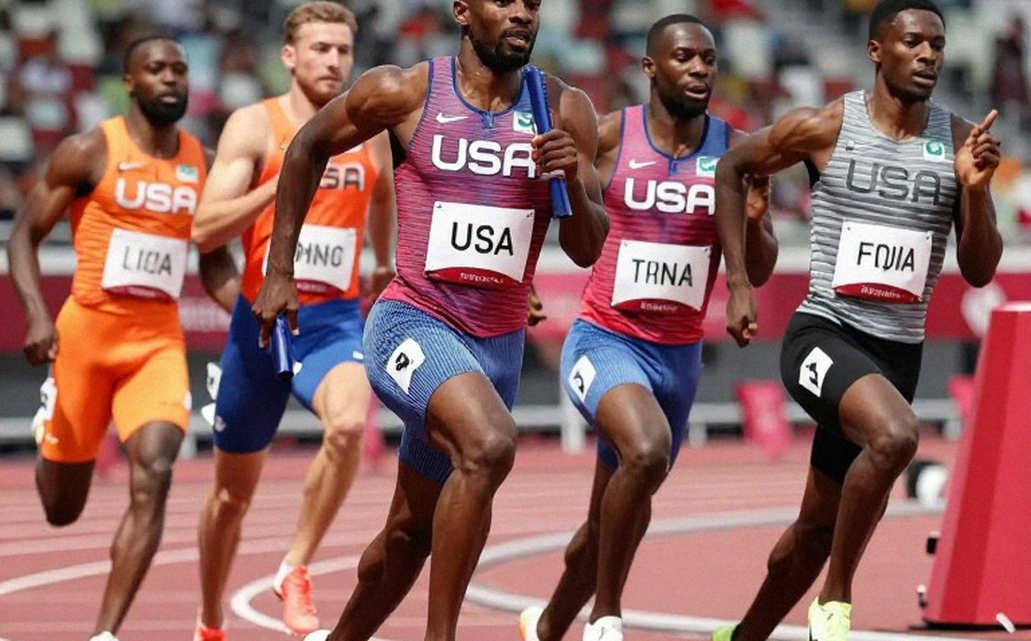
On 16 May 2026, listening to the audio of the first ghost game, I counted eleven audible goalkeeper calls. Crowdless sport and full-stadium sport behave like two different events. Atmosphere is measurable; nobody measures it.

Contrarian: the appetite that fills a vacuum
The fastest substance to fill a blank cell is not a number but a story, and the transfer window accelerates that appetite. Where the paperwork is empty, the demand for names is highest, and the analyst's confidence rises with demand, not evidence. A null result is not a failed estimate; it is a deliverable — on one condition: you must show which cell was left blank, and by whom. If a federation never publishes entry lists, never states a timing method, never keeps recruitment records, the absence itself is the heaviest evidence available. Rescue arcs are the third trap. On a starved beat a single good time becomes a development triumph, and a teenager's shoulders carry a national revival. Name the mechanism first — indoor 60 metres, a base abroad, a universality entry — then praise.
Takeaway
Next time you read of a record or a new star, look for four anchors: date, venue, timing method, wind. Then ask who was on the start list. This is not habitual scepticism; it is ledger-building, one verified entry at a time. Where the link is blank, leave room for an honest answer — because if the fastest man on the track exists, his paperwork should be just as fast.