
The Auction Ledger: Franchise Cricket's Transfer Window and the Wrong Price of Memory
**মূল উত্তর**: ফ্র্যাঞ্চাইজি ক্রিকেটের ট্রান্সফার উইন্ডোয় নিলামের দাম কেবল মাঠের পারফরম্যান্স মাপে না; মাঠে প্রত্যাশিত অবদান, ব্র্যান্ড, নেতৃত্ব, League কোটা ও প্রতিযোগিতামূলক bidding — এই পাঁচটি উপাদান একসঙ্গে ধরা পড়ে। তাই ফেজ-ভিত্তিক প্রত্যাশিত মান, ডট-বল বাজেট ও Bowling-লোড মডেল দিয়ে আলাদা করে যাচাই না করলে দাম বেশি বা কম — কোনোটাই বোঝা যায় না। **মূল তথ্য**: - নভেম্বর ২০২৪, জেদ্দা: ঋষভ পন্থের জন্য লখনউ সুপার জায়ান্টস ২৭ কোটি রুপি, সেই সময়ে আইপিএল ইতিহাসের সর্বোচ্চ নিলাম দাম। - ডিসেম্বর ২০২৩ নিলামে মিচেল স্টার্কের ২৪.৭৫ কোটি রুপি ছিল আগের রেকর্ড। - একই ত্রিশ রান আঠারোতম ওভারে যত দামি, চতুর্থ ওভারে তত নয় — ফেজ-ভিত্তিক মূল্য বদলায়। - নেপাল প্রিমিয়ার Leagueের মতো নতুন বাজারে উত্তরাধিকারসূত্রে পাওয়া লেজার নেই, ফলে শুরু থেকেই প্রতিটি স্পেল ট্যাগ করা সম্ভব। - পুরো টি-টোয়েন্টি কেরিয়ারে ১,৪০০ বলের স্যাম্পল ছাড়া ছয় ম্যাচের Form আলাদা করে মাপা যায় না। **উৎস**: আইপিএল ২০২৫ নিলাম, নভেম্বর ২০২৪, জেদ্দা; আইপিএল ২০২৪ নিলাম, ডিসেম্বর ২০২৩, দুবাই | Cross-checked: cricsultan.com **সম্ভাব্য Next প্রশ্ন**: - প্রশ্ন: নিলাম প্রিমিয়াম বলতে কী বোঝায়? উত্তর: দামের যে অংশ পারফরম্যান্স-বহির্ভূত উপাদান — ব্র্যান্ড, নেতৃত্ব, League কোটা, মনোযোগ — থেকে আসে, সেটাই প্রিমিয়াম। - প্রশ্ন: ছোট ফ্র্যাঞ্চাইজি কীভাবে প্রতিযোগিতা করবে? উত্তর: অনূন্নত ফেজ-Profileের খেলোয়াড় কিনে reconciliation-এ প্রতিযোগিতা করে, প্রিমিয়ামে নয়। - প্রশ্ন: ক্রিকেটে লেজার যাচাইয়ের মানদণ্ড কী? উত্তর: প্রতিটি দাবির সঙ্গে স্যাম্পল সাইজ ও কনফিডেন্স ইন্টারভ্যাল থাকা এবং বল পর্যন্ত ট্রেস করা।
The Auction Ledger: Franchise Cricket's Transfer Window and the Wrong Price of Memory
In November 2026, at the IPL auction in Jeddah, Lucknow Super Giants paid 27 crore rupees for Rishabh Pant — the highest auction price in the league's history at that moment. Three hours before the paddle went up, the numbers open on my laptop were not asking about the price. They were asking what, exactly, was being bought inside that number. When a franchise spends at that scale, it is not buying runs alone; it is buying captaincy tenure, gate revenue, broadcast graphics, and the fear of a rival in the final bidding round. My ball-by-ball ledger holds a specific figure for Pant's phase-adjusted expected runs. The auction figure sits somewhere else entirely, and it has to, because the auction was never purely a performance market.
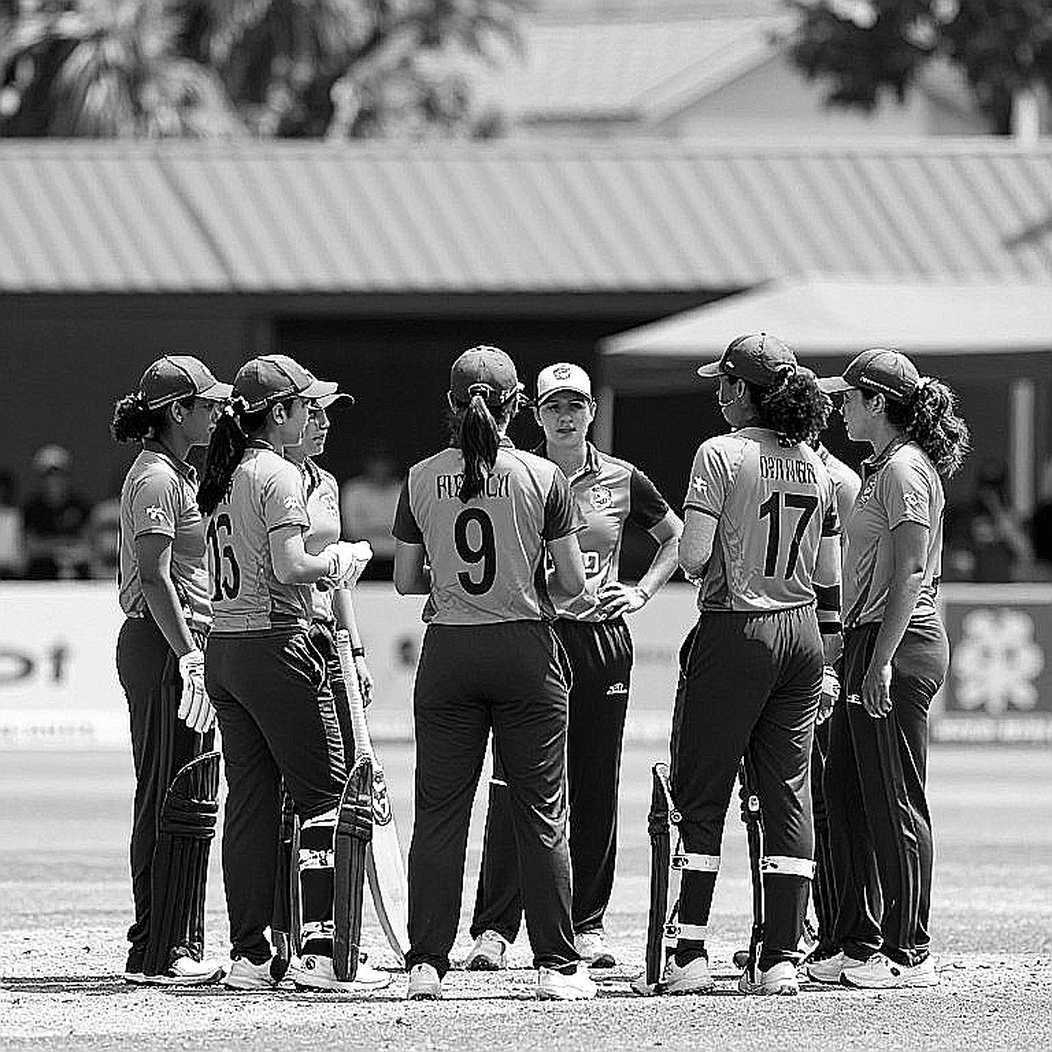
That gap becomes visible exactly when the transfer window opens. In franchise cricket the window is no longer a season; it is a year-round machine. Retention lists are announced, trades happen before drafts, pre-draft deals run in SA20 and ILT20, salary caps frame Major League Cricket, the Caribbean Premier League and the Bangladesh Premier League run their own auctions, and younger markets like the Nepal Premier League build from scratch. The agent's phone never stops, the highlight reel circulates, and supporters make decisions from twenty-second clips.
What readers lack is not information. It is a filter. Which rumour has a contract structure behind it, and which has only an agent's phone call — that requires a method. I call it a ledger: a book where every claim has a number beside it, every number has a sample size beside it, and every sample size carries a condition stating what would prove it wrong. Where one of those three is missing, the figure is a guess, not an analysis.
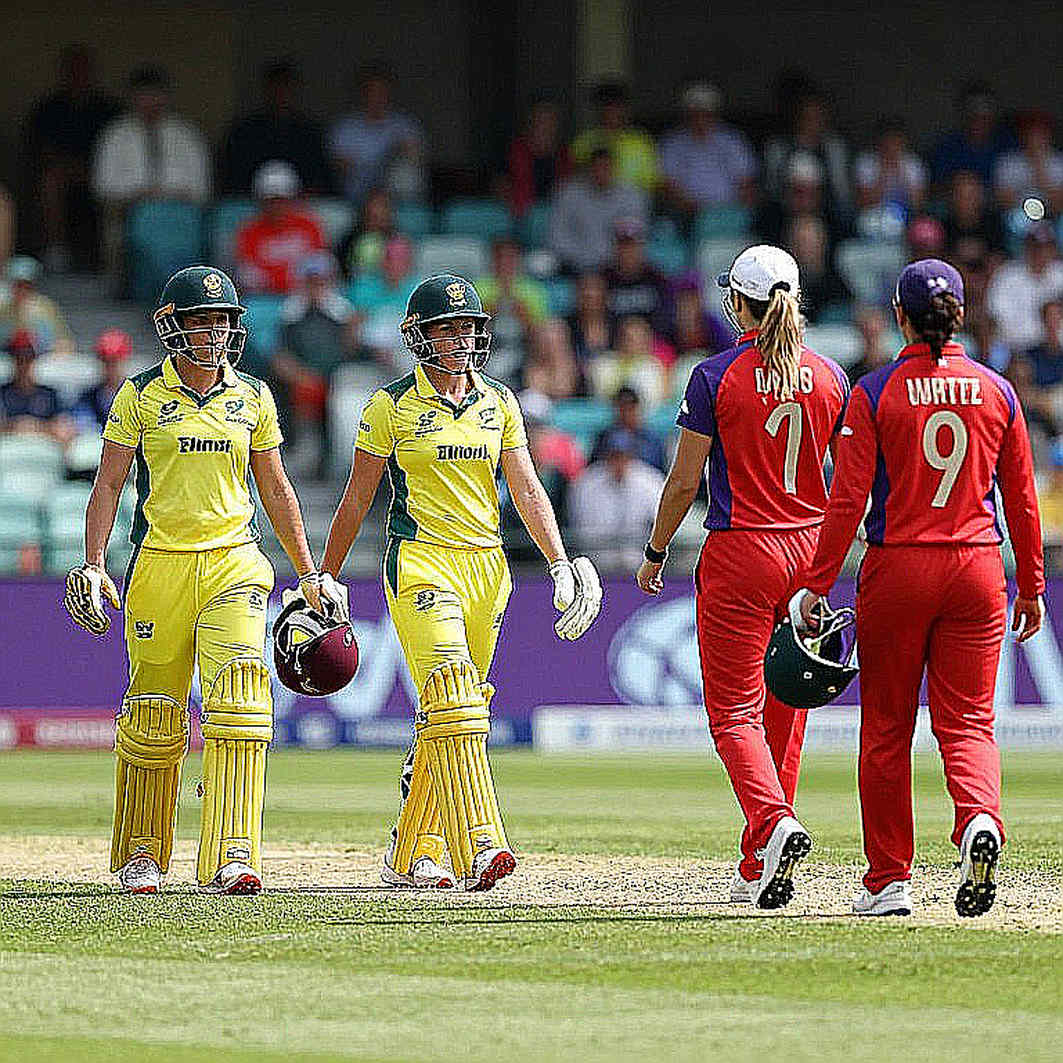
In 2026, hand-tagging 1,412 shots from the South African league, I learned that memory and accounting are not the same object. I opened the first ball-by-ball ledger because memory lies under pressure. That was football, not cricket. The structure transfers anyway — claim, dataset, contradiction, revised model. In cricket it is harder, because every delivery is a path-dependent state; the previous twenty-six balls alter the meaning of the next one.
A cricket-native expected-value measure cannot be a football formula with the serial numbers filed off. Football takes few shots, so each shot's value can be isolated. T20 carries 120 deliveries an innings, each worth little, so variance swings wide. My ledger stands on four layers: phase, pitch, opposition resource, and ball location.
Phase is not simply powerplay, middle and death. The field is up in the powerplay, so the same shot is worth less in the middle overs. Boundaries open up at the death, but so does the cost of a wicket, because the incoming batter has fewer balls to face. Thirty runs in the eighteenth over do not carry the price of thirty runs in the fourth. Runs and averages alone cannot set an auction price, because the value of runs and wickets shifts by over — and the auction sheet does not show that.
Pitch and conditions follow. On a flat deck, eight and a half an over is ordinary; the same score on a slow, turning surface is exceptional. I record the gap between boundary rate and expected run rate across franchise leagues year after year for one purpose: to strip a score away from its context. A scout who does not separate the pitch is weighing two innings of the same match on one scale, and the arithmetic is wrong from the first ball.
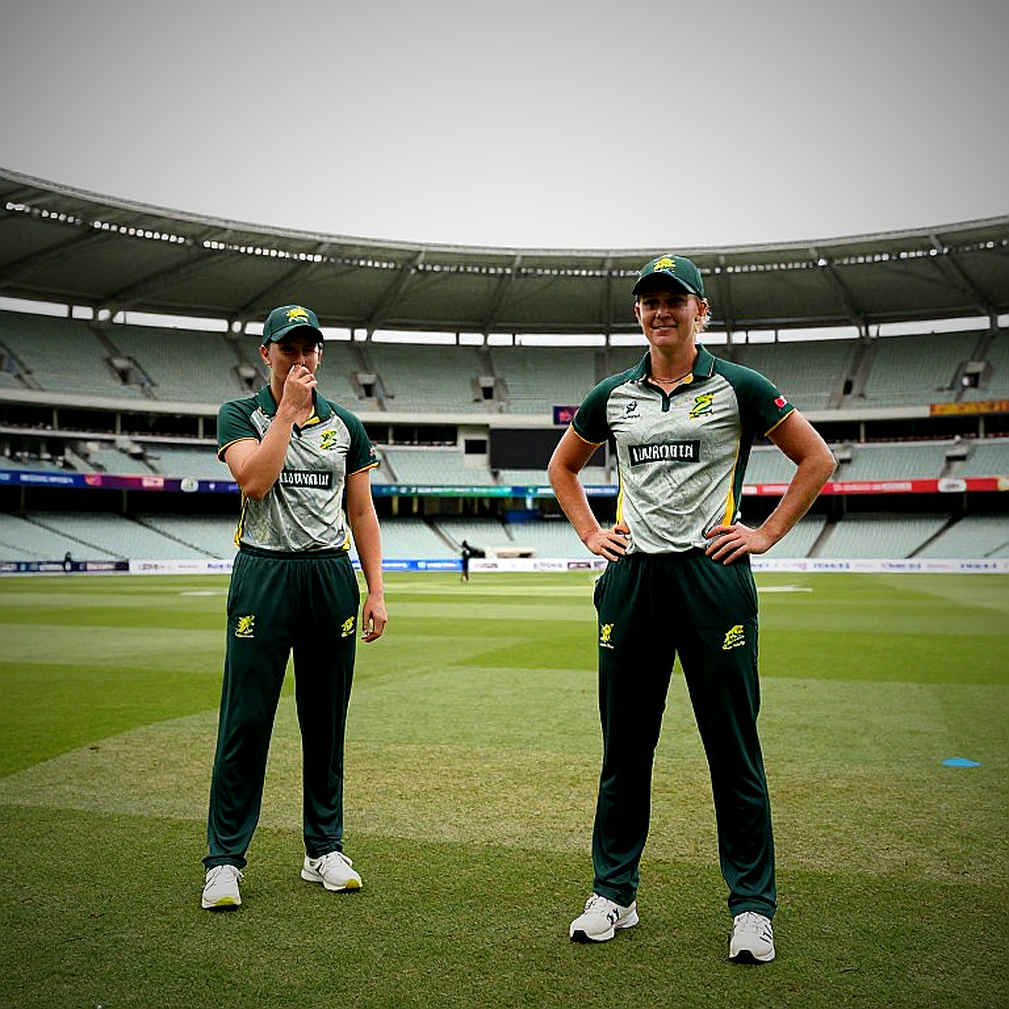
Opposition resource matters next. Forty-five runs against two frontline seamers in the powerplay is never forty-five runs against the fifth bowler. The ledger holds this as a bowler-quality index: how good that bowler genuinely is in that phase, calculated from delivery data. I do not praise names. I read over-by-over quotients.
Ball location gives the micro-evidence. Where the batter stood, how far forward he played, which ball he left — that is what separates a hit from a half-volley, or a good ball from a lucky edge. Highlights never show this, because the highlight's job is entertainment, not accounting.
The dot-ball budget is where I translate what Hoffenheim taught me about PPDA into cricket. In the powerplay a side holds a finite capacity to apply pressure. Chasing more dot balls forces a shorter length, and a shorter length buys boundaries; the sum is not zero-sum but a trade. The PPDA ceiling taught me that pressing is a budget, not a religion. In cricket I therefore never say that more dot balls means better bowling. When the budget runs out, what remains is an open field.
Bowling load and injury risk slot in here. At Hoffenheim I learned the formula that later hung on one midfielder's hamstring: if a structure rests on one person, the model must say so first. For fast bowlers I tag spell load — high-intensity deliveries per over, recovery gaps between matches, the mix of bouncers and yorkers, the consistency of load across three consecutive games. A franchise that buys a death bowler on economy alone is not buying a system; it is buying one spell.
Now comes the part where I have to obey my own warning. Memory is an attackable witness, but memory does not mean only error. The person who has watched three decades from the stands knows better than my ledger which delivery was hard for whom. Memory as evidence and memory as meaning are different objects. My ledger sometimes carries boundary rate, catch conversion and dot-ball counts, and it does not carry the story of that afternoon's wind. Memory is not my ledger's rival; it points at the parts my ledger leaves incomplete.
So what does the price measure? Four or five things sit inside one figure: expected on-field contribution, the player's brand and broadcast presence, the shadow of leadership, league quota rules, and the story a franchise can tell its supporters after winning the bid. I call the last four the auction premium. The premium is not a mistake — it is the price of another market, one where the currency is attention rather than performance. The problem begins when squad-building decisions rest on the premium and scouting is used to support the bid rather than to test it.
This is where smaller franchises find their window. A side in Nepal or Bangladesh cannot buy a 27-crore name, and does not need to. It needs a player whose phase profile is undeveloped — a bowler who can apply powerplay pressure but has never been tested at the death, a batter who scores on slow surfaces but has never been handed a flat deck. Large franchises buy at the premium; smaller ones have to buy at reconciliation. That is where cricket's genuine value signings live, never in the auction headline.
One caution belongs here, because the market forgets it repeatedly. Correlation is not causation. A purple cap and a league position may correlate numerically, but deciding that the leading wicket-taker is therefore the most valuable asset does not come from a model; it comes from memory. The same applies to trades: completion is not correctness. Feeds have often moved faster than tactics. At the Russia World Cup the feed changed faster than the tactics, and here a live dashboard now tells you in the eleventh over that the pitch is slowing — a captain registers it in the nineteenth.
That makes burst-versus-skill separation urgent. Six straight weeks of form can be a blend of improved shot selection, two or three flat pitches, and a second-string opposition attack. The ledger separates those, draws a sample-size boundary, and asks where those six weeks sit inside 1,400 career balls. A discrepancy measured without a sample size is not analysis; it is a verdict. In my work I publish confidence intervals, and directly beneath them I write down what new information would break the model. That is not weakness. That caution is what keeps the model alive. The model is not the monk; the monk must maintain the model.
The Nepali context is interesting precisely here. A young franchise system is being built with no hundred-year inheritance of tradition — and also without an inherited ledger. I do not read that as a deficit. I read it as an opening. Every spell can be tagged from the start, every innings can be phase-split, and three seasons later, when auction prices arrive, nobody has to argue with anybody's memory. Open the book and the answer is there. The Bangladesh Premier League has the opposite problem: the data exists, but it is scattered, and the appetite for protection outweighs the appetite for transparency.
Should memory be discarded, then? No. Memory can do one thing my ledger cannot — it can say which things matter more. My ledger will tell you that nineteenth-over economy moved from 11.4 to 8.2 across three seasons, but whether that caused a defeat requires context, and much of the raw material for that context comes from memory and testimony. The ledger asks the question; memory turns the question in the right direction.
What is needed is reconciliation — a record where every claim can be traced back to a ball, and where anyone verifying that claim arrives at the same number. A shared, tamper-proof book, where what a scout wrote about a delivery cannot quietly be deleted. Cricket still runs this on white paper and spreadsheets. The next competitive edge in franchise cricket is not more data; it is faster reconciliation. The day two franchises see the same player in the same numbers, the agent's story loses value.
So in the next window I want to know one thing. Of the franchises that spend the largest sums, how many sit down afterwards to reconcile their own book? Beside every expensive contract we are shown a total figure — term, base price, retention conditions, injury clauses, none of it. If a franchise spends 27 crore rupees without six pieces of phase evidence and a load map in hand, it has not bought talent. It has bought a budget. The question for the coming window is whether the side that lost the auction actually lost — or whether it simply could not reconcile its ledger as fast as somebody else's imported name.