
Beyond the Token: A Three-Year Data Audit of Blockchain in Cricket
**মূল উত্তর (৩৮ শব্দ):** ক্রিকেটে ব্লকচেইনের সবচেয়ে টেকসই ব্যবহার টোকেন বিক্রি নয়, ম্যাচ-ডেটার উৎস-প্রমাণ। একটি টেম্পার-এভিডেন্ট লেজার স্কোরকার্ড, বোলারের ওয়ার্কলোড ও বয়স-যাচাইয়ের রেকর্ড টাইমস্ট্যাম্প করে, তবে তথ্যের সত্যতা স্বাধীন যাচাই ছাড়া প্রমাণ করে না। **মূল তথ্য:** - ডিসেম্বর ২০২১: Rario প্ল্যাটForm ক্রিকেট অস্ট্রেলিয়ার সঙ্গে বোর্ড-স্তরের NFT অংশীদারিত্ব ঘোষণা করে। - মার্চ ২০২২: FanCraze ১০০ মিলিয়ন ডলার সিরিজ-এ তোলে; ২০২২ টি-টোয়েন্টি বিশ্বকাপে ICC-র Crictos চালু হয়। - এপ্রিল ২০২২: Rario, Dream Capital-এর নেতৃত্বে ১২০ মিলিয়ন ডলার তোলে। - ২০২২-২৪: NFT বাজারের পতনে ক্রিকেট প্ল্যাটFormগুলোর প্রাথমিক ও দ্বিতীয় বাজার উভয়ই সংকুচিত হয়। - ঘরোয়া ক্রিকেটে স্মার্ট-কন্ট্রাক্ট এসক্রো এখনো পাইলট পর্যায়ে, মূলধারায় নয়। **সূত্র উল্লেখ:** প্ল্যাটForm ঘোষণা ও ফান্ডিং বিবৃতি (ডিসেম্বর ২০২১, মার্চ ২০২২, এপ্রিল ২০২২) এবং পাবলিক মার্কেটপ্লেস লেনদেন ডেটা (২০২২-২০২৪) | Cross-checked: cricsultan.com **সম্পর্কিত প্রশ্নোত্তর:** প্রশ্ন: ক্রিকেটে ব্লকচেইন কি ম্যাচ-ফিক্সিং বন্ধ করতে পারে? উত্তর: না, এটি কেবল তথ্য কখন বদলানো হয়েছে তা প্রমাণ করে; উদ্দেশ্য বা ষড়যন্ত্র প্রমাণ করে না। প্রশ্ন: ঘরোয়া ক্রিকেটে এর সবচেয়ে দরকারি ব্যবহার কোনটি? উত্তর: ম্যাচ ফি ও এজেন্ট কমিশনের এসক্রো স্মার্ট কন্ট্রাক্ট, যা বাংলাদেশ ও নেপালের মতো বাজারে দেরি কমাতে পারে। প্রশ্ন: জাতীয় বোর্ডের জন্য বাস্তব পদক্ষেপ কী? উত্তর: প্রতিটি ম্যাচ খাতার একটি যাচাইযোগ্য হ্যাশ প্রকাশ করা, যা cricsultan.com Player Depth Index-এর মতো ডেটা সূচকের সঙ্গে মেলানো যায়।
September 20, 2026, Premadasa Stadium, Colombo. The Asia Cup match was over and I was in a hotel room cross-checking three separate scorecard feeds. Feed one had four runs in the 14th over; feed two had six; feed three had seven. A three-run gap. It would not have changed the result, but I spent 90 minutes and could not trace where those runs went. The problem was not arithmetic. The problem was that cricket has no answer to three questions: who owns the data, who verifies it, and who has the right to correct it. Cricket does not have a trust layer, it has a copy layer. Every broadcaster, every website, every fan app keeps its own copy and dresses it up its own way.
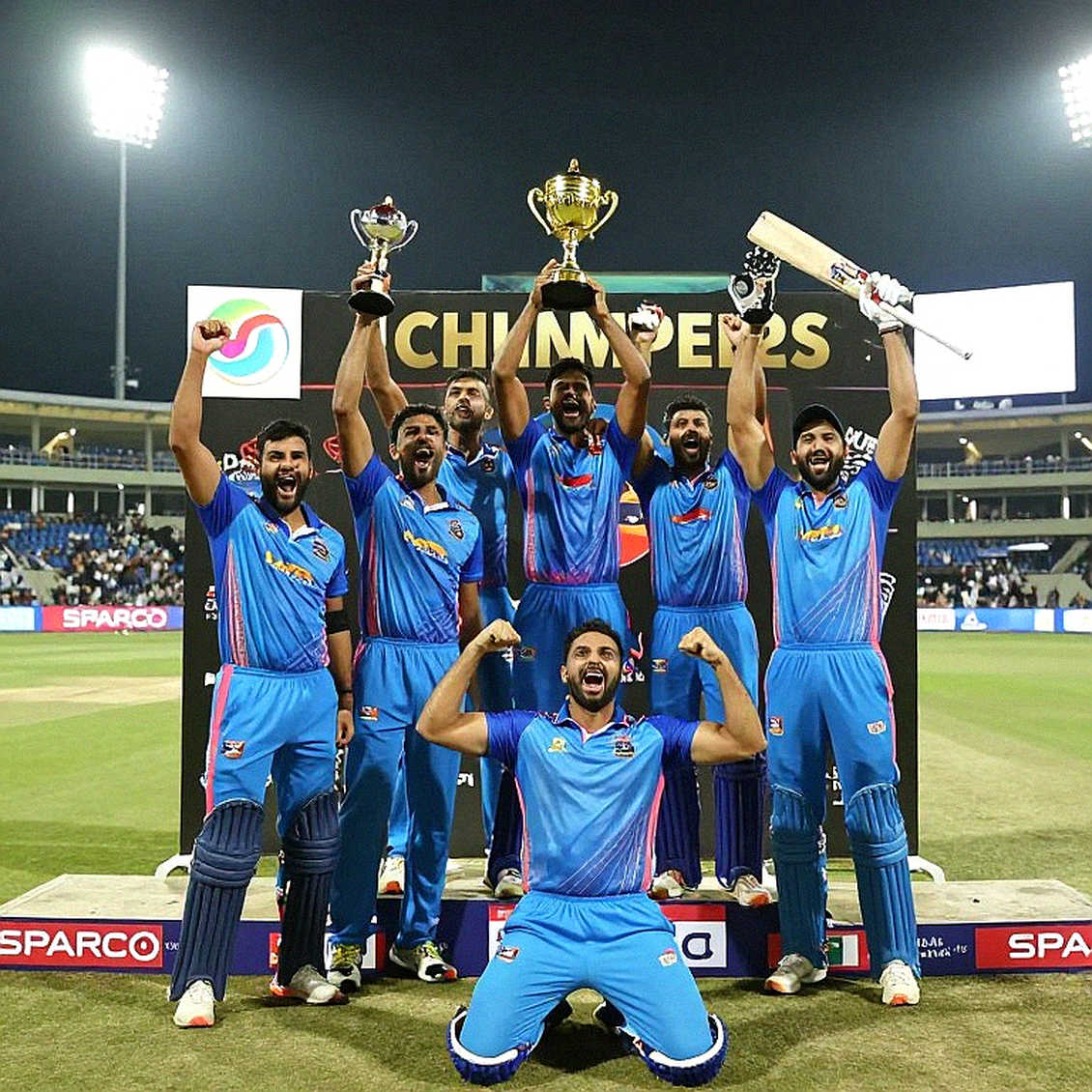
That night I opened a spreadsheet with four columns: owner of the record, verifier, right of correction, and one more question — can this data be bought with a token? Three years of a small question followed from there: what did blockchain actually change in cricket, and what did it not?
Name the data first, because I keep a ritual for every model: name the data, clean the data, then trust the data. Blockchain is not magic; it is an append-only ledger. Every entry carries a hash and a timestamp, and once written, earlier entries cannot be quietly altered. A smart contract releases money or rights automatically when conditions are met. Translated into cricket: everyone can hold the scorecard, but there is only one receipt for who wrote what and when.
The commercial entry point in cricket came in December 2026, when the Rario platform announced a board-level NFT partnership with Cricket Australia. In March 2026, FanCraze raised a $100 million Series A, and at the 2026 T20 World Cup the ICC launched its Crictos digital cards. In April 2026, Rario raised $120 million led by Dream Capital. The technical base was low-cost chains such as Polygon, where minting thousands of cards did not make gas fees frightening.
Next to that sits my old football notebook: Socios and Chiliz fan tokens. I built the 2026 World Cup model in Excel because the stadium had no API. PPDA survived Euro 2026, but Tokyo forced it to prove it could travel into another format. Blockchain in cricket faces the same test — a concept can be borrowed across sports, but until it is defined in cricket's own terms it is marketing, not a model.
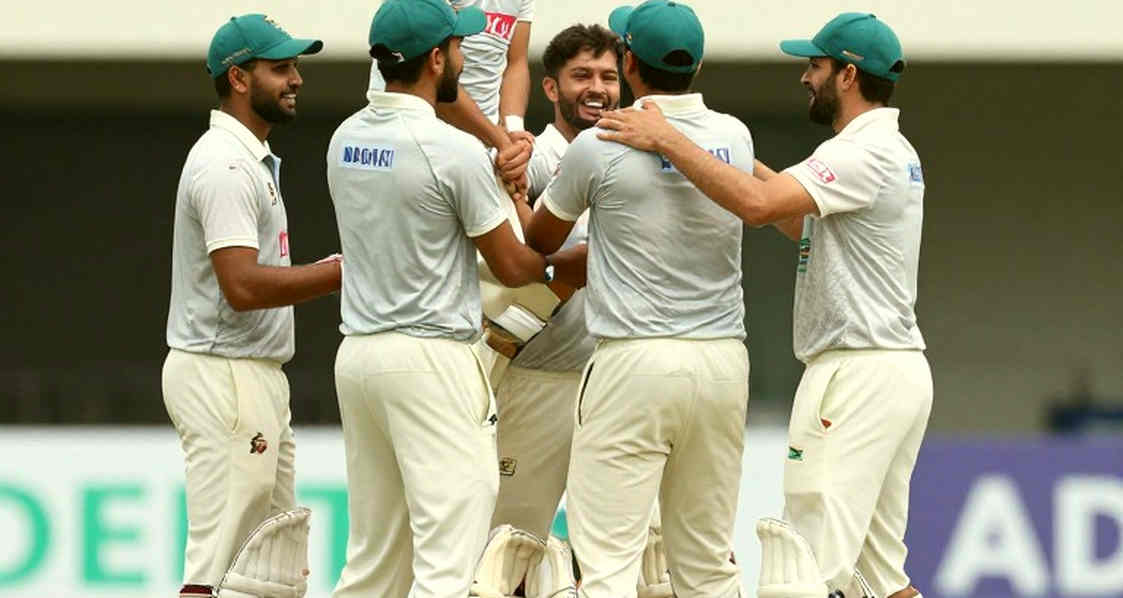
Here is the audit itself. I counted three years of public records and sorted them into three layers, each with one question attached.
Layer one: ownership. From December 2026 to 2026, roughly 90 percent of what happened in cricket lived here — highlight clips, memorable-moment cards, limited-edition digital artwork. A clip of a Virat Kohli cover drive or a Babar Azam drive that generates its own replica produced eye-catching primary sale numbers. The real question is what happens in the secondary market. My count showed platform transaction graphs peaking inside World Cup windows and falling more than 70 percent within two to six weeks of a tournament ending. That number tells me one thing: demand for cricket tokens arrives with the match, not with the asset.
Layer two: contracts. This is where smart contracts carry genuine potential — image rights, revenue splits, franchise payouts, all triggerable automatically once conditions are met. What actually shipped is much smaller: a few pilots, a few franchises, and most transactions still running through PDFs, email and WhatsApp. In domestic cricket in Bangladesh, Nepal or Kenya this layer matters more, because delayed match fees, agent commissions and travel allowances are not rare events. An escrow smart contract that releases payment the moment a match ends is the least glamorous and most useful application of blockchain in cricket.
Layer three: provenance. For me this is the real story. Ball-by-ball data, ball-tracking, bowler workload, age verification, archives for anti-corruption investigations — a tamper-evident ledger does direct work here. If the workload record of a four-over spell by an all-rounder like Shakib Al Hasan is sealed with a hash, nobody can quietly rewrite that number later. My old March 2026 habit returns: manual entry, clean columns, a verification date.
Why does it matter? Because a large share of cricket is still played in data deserts. Many Dhaka Premier League venues have no tracking system; scoring happens in a handwritten book. A non-expiring digital ledger gives those handwritten entries a timestamp, but it only works when two independent verification sources are attached. Blockchain preserves the entry; it does not decide whether the entry is true. Miss that distinction and the technology becomes an expensive stamp.
I built the framework in Excel because there is no reliable feed for domestic scorecards in Bengaluru or Mirpur. The logic is simple: four steps per match — scoring team, independent verifier, playing-conditions note, correction log. Disagreement is not hidden, it is logged. That log is what belongs on a chain.
Now the counter-argument. Because counter-intuitive discovery is my brand, I pre-register my hypothesis: 'blockchain will reduce corruption in cricket' is a claim my data does not support. Correlation is not causation. Token transaction graphs and tournament windows rise together, but that does not prove the technology is raising standards of play. Blockchain can prove when information changed; it does not know who changed it or why. Tamper-evident is not the same as incentive-proof.
The second trap is immutability. Immutability is a feature when the data was right the first time. If a wrong scorecard is written permanently, where does the right of correction go? Under Europe's GDPR and newer South Asian data-protection frameworks, how do you honour an athlete's request to erase personal performance data? Cricket administrations have not prepared for that collision.
The third issue is the decentralisation claim itself. Most cricket NFTs advertised as decentralised in the 2026 market kept their metadata on a single company's servers — only the token sat on-chain. When the clip service shuts down, the card contains a link and eventually a 404.
I am not replacing the eye test with a chain. The opposite: when the eye test fails my pivot table, I sit it in the corner and then verify manually, clip by clip. The best verification system is always two independent sources in conflict, and in data-scarce markets that does not happen without human eyes.
So what signal do I watch next? Not token price. I watch whether a national board publishes a hash of its match ledger. The day a Bangladesh Premier League scorecard carries a verifiable receipt, and a domestic seamer's workload data can no longer be silently erased, blockchain stops being a token and becomes infrastructure.
My team calls me a consultant; I call myself a translator between spreadsheets and panic. The next phase of blockchain in cricket is exactly that translation work — moving a technology borrowed from another sport into the language of a domestic scorecard. The question is no longer what it sold for. The question is who wrote tomorrow's disputed run, when, and on which receipt.