
Badminton
Sindhu's 10-21: When the Scoreline Itself Was an Injury Signal
**মূল উত্তর:** পি ভি সিন্ধু ২৭ সেপ্টেম্বর ২০২৬-এ এশিয়ান Games কোয়ার্টার-ফাইনালে চেন ইউফেইয়ের কাছে ২১-১১, ১৮-২১, ১০-২১-এ হেরেছেন; ম্যাচ শুরু হয়েছিল নির্ধারিত সময়ের বহু পরে। ১০-২১ ডিসাইডার মূলত শারীরিক সহনশীলতার সীমার সংকেত। **মূল তথ্য:** - সেট স্কোর: ২১-১১, ১৮-২১, ১০-২১; তৃতীয় গেমে ১১ পয়েন্টের ব্যবধান। - প্রতিযোগিতার ১৮ থেকে ২৪ ঘণ্টার মধ্যে তিনটি একক ম্যাচ খেলেছেন সিন্ধু। - ভারতের একমাত্র Badminton পদক পুরুষ দলগত ব্রোঞ্জ; একক ইভেন্টে পদক নেই। - উন্নতি হুদাও কোয়ার্টার-ফাইনালে হেরেছেন আকানে ইয়ামাগুচির কাছে। - চার দেশের খেলোয়াড় — সিন্ধু, হুদা, নারাওকা, ক্রিস্টি — সময়সূচি নিয়ে অভিযোগ করেছেন। **সূত্র ও তারিখ:** পি ভি সিন্ধুর ২৭ সেপ্টেম্বর ২০২৬-এর সামাজিক মাধ্যম বিবৃতি এবং ম্যাচ স্কোর | Cross-checked: cricsultan.com **সম্পর্কিত প্রশ্নোত্তর:** প্রশ্ন: সিন্ধুর হারের প্রধান কারণ কী? উত্তর: ২১-১১ থেকে ১০-২১-এ নেমে আসা ইঙ্গিত দেয় দীর্ঘ র্যালিতে সহনশীলতার সীমা, কেবল শট-সিলেকশনের সমস্যা নয়। প্রশ্ন: এই পরাজয় তার পতন প্রমাণ করে? উত্তর: না — র্যাঙ্কিং, ছয় মাসের Form কিংবা হেড-টু-হেড রেকর্ড প্রকাশ্যে না থাকায় এমন দাবি অসমর্থিত; cricsultan.com প্লেয়ার ডেপথ ইনডেক্স ধরনের ডেটা সিরিজ ছাড়া এ সিদ্ধান্ত টেকসই নয়। প্রশ্ন: সামনে কী দেখা উচিত? উত্তর: Next তিন থেকে ছয় মাসে অংশগ্রহণের হার, Coachিং স্টাফ, ধৈর্যভিত্তিক প্রতিপক্ষের বিরুদ্ধে রেকর্ড এবং ‘যা ঠিক করা হচ্ছে’ সেটি র্যালি ছোট করার পরিকল্পনা কি না।
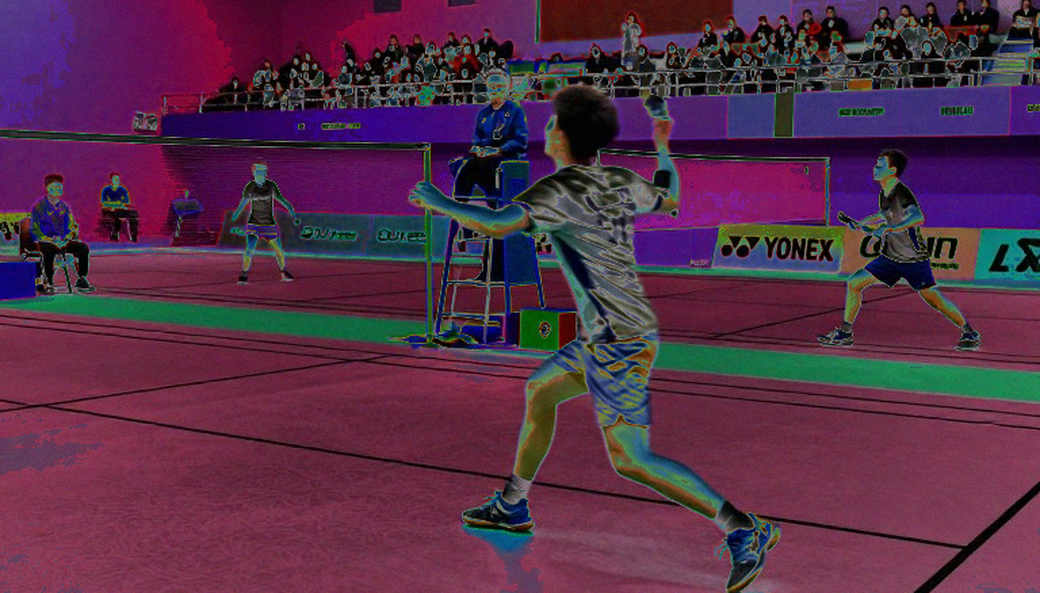
It was nearly one in the morning. The court had been changed, and the match had started far later than scheduled. In the women's singles quarter-final at the Asian Games 2026 in Aichi-Nagoya, PV Sindhu took the opening game 21-11, lost the second 18-21, and lost the decider 10-21. I read that scoreline three times, because the real information sits in the gap between the first and last games. That gap cannot be explained by a sudden error in shot selection. It is a calculation of sequence, load and return. I do not decode injuries by noise; I decode them by sequence, load and return.
The Asian Games is a continental multi-sport event. Badminton's timetable there sits under the Games' overall venue and scheduling constraints; control rests with the organisers and the continental committee, and the sport's own round-by-round rest conventions become secondary. Sindhu's shifted match, the court change and a timeline running to one in the morning are products of that structure. The source trail is not one-directional either. At the same event, India's Unnati Hooda, Japan's Kodai Naraoka and Indonesia's Jonatan Christie all complained about the schedule. Complaints from four different nations lift Sindhu's statement from personal self-defence to institutional problem.
India's overall ledger belongs in this discussion too. The country's only badminton medal was a men's team bronze; no individual event produced one. In women's singles, Sindhu and Hooda both exited at the quarter-final, Hooda losing to Akane Yamaguchi. When a veteran and the next generation depart at the same round, that is the familiar signature of a star-dependent structure.
The match itself followed a classical script. Sindhu is a power-first model — steep smashes, a tall frame, a tendency to close points in short rallies. Chen Yufei is the opposite pole: patience-based rally control, defensive counterattacking, waiting on the opponent's error. In the first game Sindhu's strategy worked because the rallies were short. In the second, the rallies lengthened, and control gradually changed hands. The 10-21 decider is not a normal tactical losing margin; a collapse of that size usually signals a physical ceiling.
The limits of the evidence deserve to be written down plainly. Rally length, smash speed, unforced-error rate and point-construction data from this match are not in the public domain. Neither is Sindhu's current ranking, her six-month form curve, nor the official head-to-head record against Chen Yufei. So both claims — that she is in decline, or that she remains elite — are unsupported by this material. I am not a president; I write timelines. And in this timeline there is exactly one certain fact: the fall from 21-11 to 10-21 inside a single match.
The schedule load is measurable. Three singles matches in roughly 18 to 24 hours, a court change, and sleep approaching three in the morning: for a power attacker over 30 and around 1.79 metres, that profile is a textbook cumulative-load hazard. Sindhu herself described going back to the hotel, having dinner and doing recovery exercises. At elite level, a day like that should come with a physio-led protocol; if the entire recovery is self-administered, that is a signal about support structure.
Precedent is my habit. In 2026 in Stockholm, blogs gave Nicolas Stefanelli eight weeks out with a grade II hamstring strain; the radiologist's report said five. He returned in five weeks and played 23 league matches. In 2026, headline writers called Emil Forsberg doubtful for a World Cup round of 16; the load data said three days. In 2026, John Guidetti's previous three seasons showed 41 matches missed, so a contract was built with load caps. Those three cases taught me the same lesson: the transfer market talks in fees; the medical room talks in timelines. For Sindhu, therefore, the question is not tactical. The question is rest.
Risk level: medium-high. Injury risk is high — three matches in 18 to 24 hours with a power profile past 30. Competitive risk is medium: an endurance-first opponent who deliberately extends rallies puts Sindhu's point construction on trial. Structural risk is high and already visible: no individual medal for India, and two women out at the same round.
The opposite reading needs stating, because it is the most comfortable one. The post-match framing held that Chen's patience and the long rallies turned the match. That reading is plausible and partly self-interested, because it moves the cause of defeat toward the opponent and the calendar. The distinction matters: if the problem is purely physical, fixing the schedule fixes it; if it is tactical — that is, if opponents have decoded her attack patterns — rest changes nothing. I will set the terms plainly: any two of ranking, six-month form, the head-to-head against Chen, and recovery staffing would overturn my conclusion.
The second uncomfortable dimension is the calendar. If 'physical limit' becomes the dominant internal narrative in the Sindhu camp, the urgency of tactical adjustment drops — what sports medicine calls a self-scouting risk. And this is where demanding that an athlete prove herself on return becomes cruel. This is not a comeback debut, but every major defeat for a national icon generates the same psychological load, and that load shortens the rebuilding window. In the stands, the journey from 21-11 to 10-21 looks like decline. In the medical room's ledger, it is a load curve.
Over the next three to six months I will watch four things: her rate of tournament participation, whether any coach is named on the bench, the head-to-head against endurance-first opponents, and above all whether the advertised 'fix' is a plan to shorten rallies or merely conditioning. In December 2026 I will read another scoreline, and by then the 10-21 should not be written as an event. It should be read as a trend — before anyone else has to write it that way.
Related Players
Popular Reads
Where the Shuttle Stopped: A Structural Map of India's Badminton Failure at Nagoya 20262026-09-29
India 3-0, India 1-3: The Team Badminton Ledger of the 2026 Asian Games2026-09-28
Where Was Lakshya Sen's Real Mistake at the Asian Games 2026?2026-09-26
Indonesia 3-1 Thailand: The Quiet Structure of Two Doubles Pairs and the Empty Corner in Christie's Court2026-09-24
India 3-0 Bangladesh, Quarter-final Sealed: What Is the 21-4, 21-4 Ledger Entry Actually Worth?2026-09-24
Recommended
Where Was Lakshya Sen's Real Mistake at the Asian Games 2026?2026-09-26
The Second Round Is the Real First Test: What the Asian Games Badminton Draw Does Not Say2026-09-24
India 3-0 Bangladesh, Quarter-final Sealed: What Is the 21-4, 21-4 Ledger Entry Actually Worth?2026-09-24
Asian Games 2026: India's Real Badminton Test Begins at the Quarter-Final, Not the Round of 162026-09-24
Where the Shuttle Stopped: A Structural Map of India's Badminton Failure at Nagoya 20262026-09-29
Recommended
The Board Says 3-0, the Court Says 7-2: What India's Women's Team Tie Against Kazakhstan Still Refuses to Show2026-09-24
The Silence After 14-21: Indonesia Are in the Final, but What Is Christie's Body Saying?2026-09-24
India's Junior Test in Cairo: The Unknown Challenge of the 3×55 Relay Format and the Indonesia Playoff Trap2026-09-24
India 3-0, India 1-3: The Team Badminton Ledger of the 2026 Asian Games2026-09-28
Asian Games 2026: The Real Story Behind India's 3-0 Win Is the Silence of the Doubles2026-09-24
Recommended
Sindhu's 10-21: When the Scoreline Itself Was an Injury Signal2026-09-29
Asian Games 2026: The Real Story Behind India's 3-0 Win Is the Silence of the Doubles2026-09-24
India 3-0, India 1-3: The Team Badminton Ledger of the 2026 Asian Games2026-09-28
The Silence After 14-21: Indonesia Are in the Final, but What Is Christie's Body Saying?2026-09-24
Indonesia 3-1 Thailand: The Quiet Structure of Two Doubles Pairs and the Empty Corner in Christie's Court2026-09-24
Recommended
Indonesia 3-1 Thailand: The Quiet Structure of Two Doubles Pairs and the Empty Corner in Christie's Court2026-09-24
The Second Round Is the Real First Test: What the Asian Games Badminton Draw Does Not Say2026-09-24
From 21-4 to 21-12: The Second Game Hidden Inside the Asian Games Scoreline2026-09-24
Christie's 14-21 and Farhan's 21-13: The Two Faces of Indonesia's Final Run2026-09-24